
Should I Repipe My House with PEX or Copper?
For most Rohnert Park homes, PEX is the better choice for a repipe: it costs less, resists freezing, and installs faster with fewer connections. Copper remains ideal if you want maximum longevity and a traditional feel, but expect higher material and labor costs.
PEX vs Copper: Which Should You Choose for Your Repipe?
When deciding whether to repipe your house with PEX or copper, you're weighing cost, durability, and installation speed. Here's a clear comparison to help you decide.
| Factor | PEX (Cross-Linked Polyethylene) | Copper Piping |
|---|---|---|
| Cost | Repiping with PEX costs less — typically about 25% less than copper. For a whole-house repipe, expect savings of hundreds to thousands of dollars. | Copper is significantly more expensive than PEX, both in material and labor due to soldering and fittings. |
| Installation Speed | PEX is faster to install. It requires fewer connections and less cutting inside walls, reducing labor time and wall damage. | Copper installation is slower; each joint must be soldered, which takes skill and time. |
| Freeze Resistance | PEX expands slightly if water freezes, reducing the risk of bursting. It's a strong choice for colder climates. | Copper does not expand; frozen pipes can burst, causing costly repairs. |
| Durability | PEX resists corrosion and scale buildup. It can last 50+ years when properly installed. | Copper can last 70+ years but may corrode in acidic water or develop pinhole leaks over time. |
| Safety | PEX is safe for drinking water; it does not leach copper. However, it should not be exposed to direct sunlight for long periods. | Copper is naturally antimicrobial and safe, but high copper levels in water can occur with acidic water. |
| Common Use | PEX is used in new home construction more often than copper today due to its cost and ease of installation. | Copper remains common in older homes and for exposed plumbing where appearance matters. |
Both materials work well for a whole-house repipe. PEX wins on cost and freeze resistance; copper wins on longevity and traditional feel. Your local plumber can assess your home's needs.
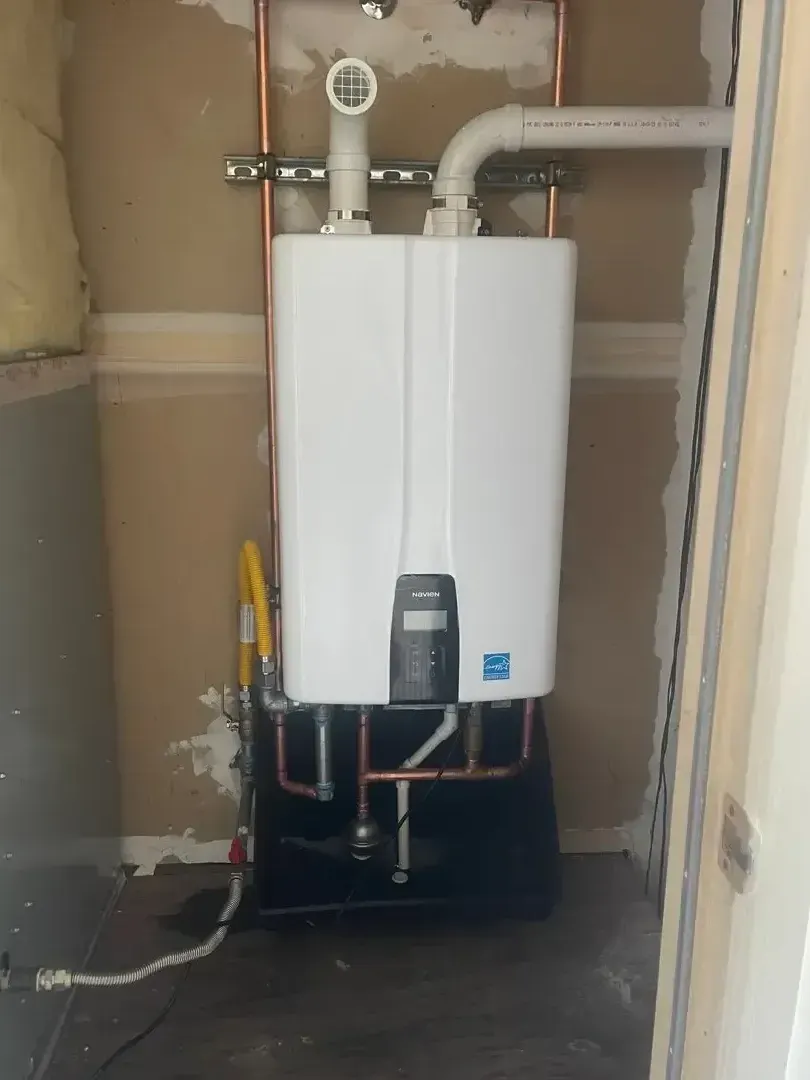
Repipe Cost Comparison: PEX vs Copper
The cost to repipe your home varies by size, layout, and material. Here's what drives the price for PEX and copper repipes in Rohnert Park.
| Cost Factor | Why It Matters | Typical Range (General) |
|---|---|---|
| Material Choice | PEX is less expensive per linear foot than copper. Copper prices fluctuate with market demand. | PEX: $0.50–$2 per foot; Copper: $2–$8 per foot |
| Home Size | Larger homes require more piping and labor. A 2,000 sq ft house repipe costs more than a 1,200 sq ft home. | $4,000–$15,000 (varies widely) |
| Accessibility | Homes with crawlspaces or unfinished basements cost less to repipe than those with finished walls and multiple stories. | Adds 20–50% for difficult access |
| Number of Fixtures | More bathrooms, kitchens, and outdoor spigots increase pipe runs and labor. | Varies; each fixture adds connections |
| Local Labor Rates | Licensed plumbers in Sonoma County charge competitive rates. CNTRLine Plumbing offers free quotes before work begins. | Ask for a quote |
For an accurate estimate, contact CNTRLine Plumbing for a free on-site assessment. We serve Rohnert Park, Cotati, Santa Rosa, Petaluma, and beyond.
PEX Durability, Freeze Resistance, and Safety Explained
If you're considering PEX for your repipe, you might wonder about its durability and safety. PEX (cross-linked polyethylene) is a flexible plastic tubing that resists corrosion and scale buildup, unlike copper which can develop pinhole leaks over time. Properly installed PEX can last 50 years or more, making it a reliable choice for a whole-house repipe.
Freeze resistance is a key advantage: PEX expands slightly when water freezes, reducing the risk of bursting. Copper pipes, in contrast, do not expand and can crack, leading to costly water damage. For Rohnert Park's occasional cold snaps, PEX offers peace of mind.
Safety is also confirmed. PEX is certified for drinking water and does not leach metals. However, it should be kept out of direct sunlight, as UV exposure can degrade the material over time. For indoor repiping, this is not a concern. If you have questions about local plumbing codes, CNTRLine Plumbing can guide you.
Why PEX and Copper Are the Top Repipe Materials (and What About PVC?)
You may have wondered about using PVC (polyvinyl chloride) for your repipe. PVC is common for drain, waste, and vent lines, but it is not suitable for hot water supply lines in most residential repipes. Local plumbing codes typically require materials that can handle both hot and cold water under pressure, which is why PEX and copper are the top choices.
PEX and copper both meet code requirements for supply lines. PVC is sometimes used for cold water only in specific situations, but it is rarely chosen for a whole-house repipe due to its lower temperature rating and potential brittleness. For a repipe, stick with PEX or copper — your plumber can explain why based on your home's layout.
Directions to our plumber in Rohnert Park from Washoe Creek
Start at Washoe Creek and head to CNTRLine Plumbing at Rohnert Park, CA.
When Copper Is the Better Choice for Your Repipe
Copper piping has a long history of reliability. For some homeowners, it remains the preferred material. Here's when copper makes sense for your repipe.
| Situation | Why Copper Works Well |
|---|---|
| You want maximum longevity | Copper can last 70+ years with proper water chemistry, outlasting PEX's expected lifespan. |
| Exposed piping (e.g., basements, utility rooms) | Copper has a clean, professional look that many homeowners prefer for visible areas. |
| You have very hard or acidic water | Copper resists scale better than PEX in some conditions, though water treatment may still be needed. |
| You prefer traditional materials | Copper has decades of proven performance and is widely trusted. |
Copper is significantly more expensive than PEX, both in material and labor. If budget is a concern, PEX is the better choice for a repipe. Discuss your priorities with a licensed plumber.
Get a Free Repipe Quote in Rohnert Park
Ready to move forward? CNTRLine Plumbing makes it easy to get started. We serve Rohnert Park and all of Sonoma and Marin County.
- Call us at (707) 308-5599 — we answer 24/7 for emergencies and same-day service.
- Schedule a free quote — we'll visit your home, assess your plumbing, and provide a no-obligation estimate before any work begins.
- Choose your material — we'll explain PEX vs copper options for your home and help you decide.
- We repipe your home — our licensed, bonded, and insured team (CSLB #1036920) handles the job efficiently, minimizing disruption.
We're open 7 days a week. Call today for a free quote on your whole-house repipe.
For details on services and visits, see the main page about plumber rohnert park.
Sources
Also asked as
- PEX vs copper repipe: which is better?
- Should I use PEX or copper for repiping my home?
- Is PEX or copper the best option for whole-house repiping?
Frequently asked questions
Can PEX go over copper?
Yes, PEX can be connected to existing copper pipes using transition fittings. This is common during a partial repipe or when adding new fixtures. A licensed plumber can ensure a secure, code-compliant connection.
Why did plumbers stop using copper tubing?
Plumbers haven't stopped using copper, but many now choose PEX for new construction and repipes because it costs less, installs faster, and resists freezing. Copper is still used where appearance or longevity is a priority.
What is the best pipe to use for residential plumbing?
For supply lines, PEX and copper are the top choices. PEX is more affordable and freeze-resistant; copper offers longer life. For drain lines, PVC or ABS is standard. Your plumber can recommend the best fit for your home.
Should I replace my copper pipes with PVC?
PVC is not recommended for hot water supply lines due to its lower temperature rating. For a repipe, PEX or copper are better options. PVC works well for drainage but not for pressurized hot water.
How much does it cost to repipe a 2000 sq ft house?
The cost varies widely based on material, accessibility, and number of fixtures. For a 2,000 sq ft home, expect a range of $4,000 to $15,000. Contact CNTRLine Plumbing for a free, accurate quote.