
What Are Three Types of Plumbing? A Homeowner's Guide
The three types of plumbing are the water supply system, the drainage system, and the venting system. Together they bring fresh water in, carry waste out, and keep sewer gases from entering your home.
Common Plumbing Pipe Materials Explained
Most homes mix a few materials: one set of pipes for supply, another for drains, and sometimes a third for vents. Knowing which is which helps you understand what a plumber is looking at. For a deeper dive, see our guide to the different types of pipes for water supply.
| Material | Where it's used | What it does | Typical lifespan |
|---|---|---|---|
| Copper | Water supply lines | Carries potable water; soldered joints; durable and heat-tolerant | 50+ years |
| PEX | Water supply lines | Flexible plastic tubing for hot and cold water; fewer joints | 40+ years |
| PVC | Drain, waste, and vent lines | Carries wastewater and vents gases; glued joints | 50+ years |
| ABS | Drain, waste, and vent lines | Black plastic drain pipe; common in older West Coast homes | 50+ years |
| Galvanized steel | Older water supply lines | Steel pipe coated in zinc; corrodes from the inside over time | 40–50 years |
| Cast iron | Older drain and sewer lines | Heavy, quiet drain pipe; can crack or scale | 50–75 years |
Fittings — elbows, tees, couplings, and adapters — match the pipe material and must be compatible. Mixing metals without the right dielectric fitting can cause corrosion. If you're comparing supply-line options, our PEX vs CPVC cost comparison walks through the trade-offs.
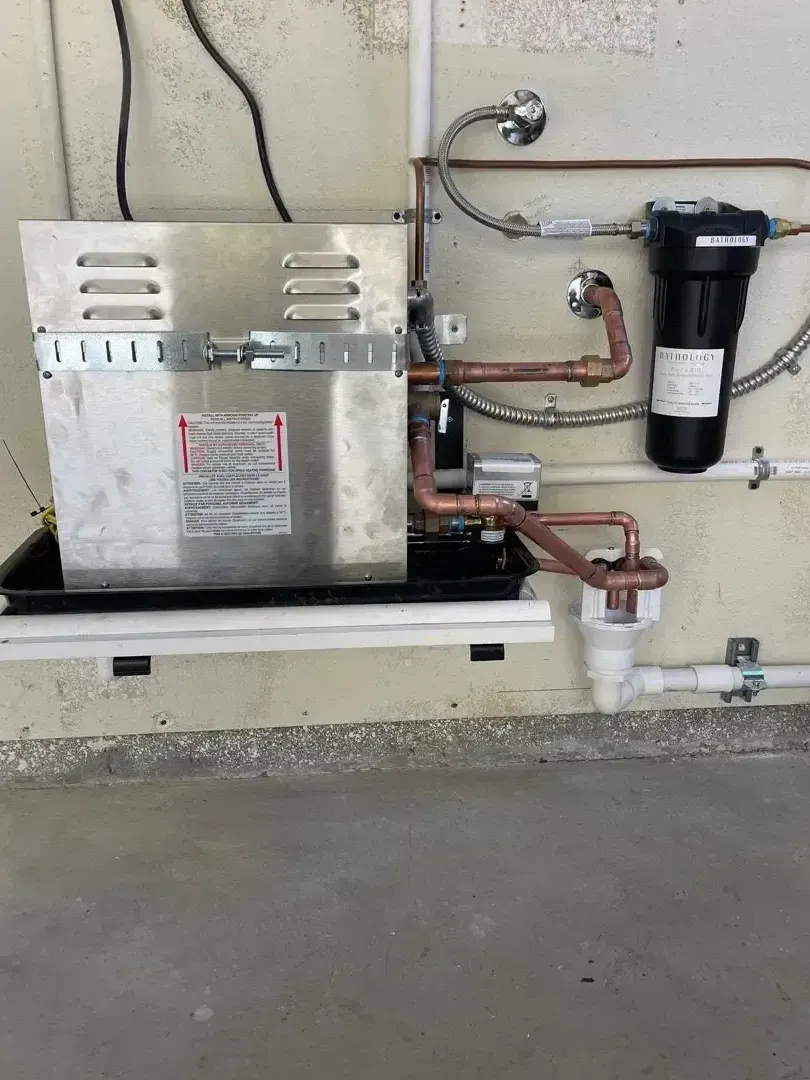
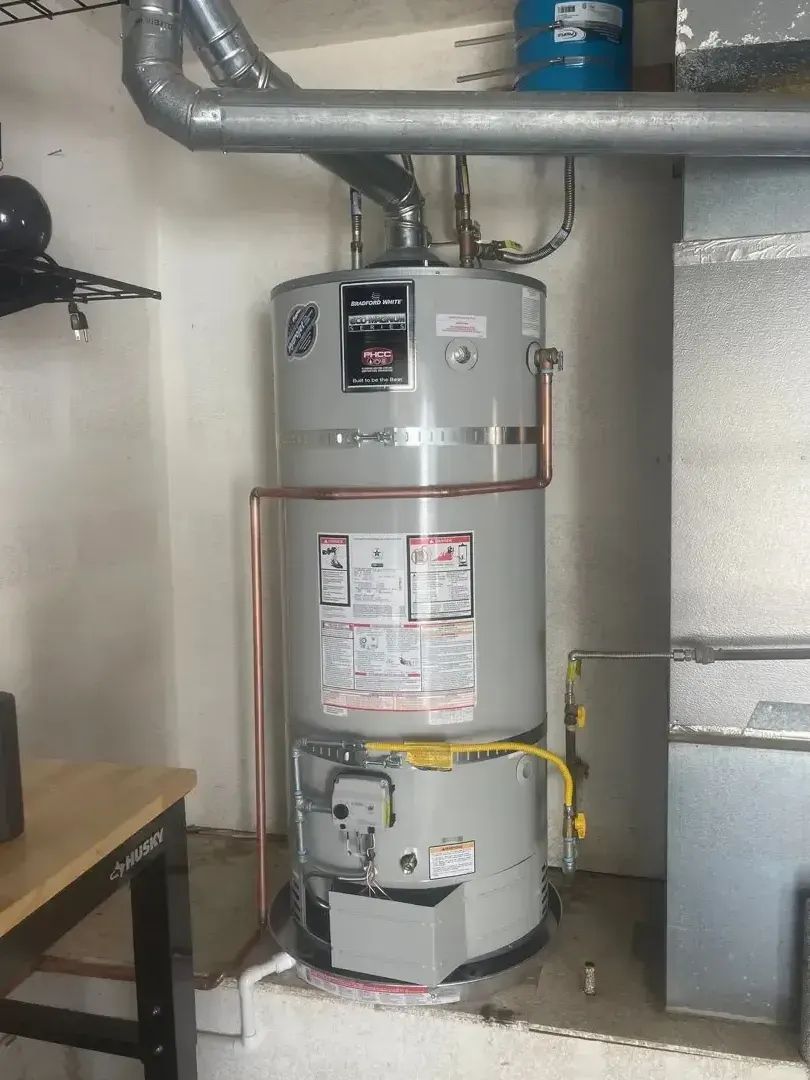
How Water Supply, Drainage, and Venting Work Together
Water comes in under pressure, waste leaves by gravity, and vents keep the pressure balanced so the whole thing runs quietly and safely. Here's the sequence inside a typical home.
- Water enters under pressure. The municipal main pushes potable water through your meter and into the water supply system, which feeds every fixture.
- Fixtures use the water. Taps, toilets, showers, and appliances draw from the supply lines; hot water is heated on the way.
- Waste drains by gravity. Used water and solids fall into the drainage system, which slopes toward the sewer or septic tank.
- Vents balance the pressure. The venting system lets air into the drain lines so water flows smoothly and sewer gas escapes above the roof, not into your rooms.
- Traps seal the system. The curved trap under each fixture holds a water plug that blocks gas from rising back up.
Homes with a single stack drainage layout combine waste and venting in one vertical pipe; older homes sometimes use a two-pipe arrangement instead. Either way, the three systems rely on each other — a clogged vent can make a drain gurgle, and a failed supply line can flood a room. If you want to see how a bathroom ties together, our bathroom plumbing diagram lays it out.
What Are the Three Types of Plumbing Systems?
The three main types of plumbing systems in a home are the water supply system, the drainage system, and the venting system. Each has a distinct job.
- Water supply system. Brings potable water in from the main and distributes it to every fixture under pressure.
- Drainage system. Carries wastewater and sewage out of the home by gravity, through traps and drain lines to the sewer or septic tank.
- Venting system. Provides air to the drain lines and routes sewer gas safely outdoors through the roof.
Together these are sometimes called the three major plumbing subsystems. Some homes also have a single stack drainage design, where one pipe handles both waste and venting. If you're not sure which setup you have, our waste arm guide shows how a fixture connects to the drain and vent.
How to Tell Which Plumbing System You Have
A good fit if…
- You can see the pipe material at a water heater, under a sink, or in the basement.
- Your home was built in a known era — pre-1980 homes often have galvanized steel or cast iron.
- You have a single vertical stack near the bathrooms, which suggests a single-stack layout.
Consider another option if…
- Pipes are hidden behind walls or under a slab, so you can't inspect them directly.
- You're planning a remodel and need to know exactly what's there before cutting in.
- You've had repeated clogs or low pressure and want a professional diagnosis.
If you can't tell by looking, a licensed plumber can identify your system with a camera inspection or by checking the age and layout of the home. For local help, see our cast iron sewer pipe repair page for what older drains look like.
Water supply network
A water supply network is the engineered system that moves water from a source to the taps in your home. It starts at a drainage basin or aquifer, where raw water is collected and piped to a treatment facility. After treatment, the water travels through underground mains to storage — reservoirs, tanks, or pressure vessels — and then through a distribution network of pipes to homes, businesses, and fire hydrants. Pumps or pressure vessels keep the water moving where gravity alone won't do it. Sewers handle what leaves your home, but they're a separate system, not part of the supply network. For you as a homeowner, the practical takeaway is that the water arriving at your fixture has already passed through a long chain of treatment and distribution — and the pipes inside your walls are the last leg of that journey.
Directions to our plumber in Rohnert Park from Rohnert Park station
Start at Rohnert Park station and head to CNTRLine Plumbing at Rohnert Park, CA.
Pros and Cons of Copper, PVC, PEX, and Galvanized Pipes
Each material has trade-offs in cost, lifespan, and how it handles water chemistry. Here's a quick comparison.
| Material | Pros | Cons |
|---|---|---|
| Copper | Long lifespan, heat-tolerant, recyclable | Higher upfront cost, can corrode in certain water |
| PEX | Flexible, fewer joints, lower cost, freeze-resistant | Some fittings can fail, not for outdoor exposure |
| PVC | Cheap, easy to install for drains, won't corrode | Not for hot water supply, can crack in cold |
| Galvanized | Was durable when new | Corrodes internally, reduces flow, often needs replacement |
If you're choosing between supply materials, our repipe with PEX or copper guide covers the decision in more detail.
Types of Plumbers and What They Do
Plumbing splits into a few specialties, depending on whether the work is new construction, service, or a specific system.
- Service and repair plumbers. Handle leaks, clogs, fixtures, and emergencies in existing homes.
- New construction plumbers. Rough-in and install systems in buildings that are going up.
- Specialty plumbers. Focus on areas like sewer and drain cleaning, water heaters, or repiping.
For most homeowners, a service plumber is the right call. If you need a specialist for a sewer issue, our sewer line repair in Novato page shows what that involves.
Need Help With Your Plumbing? Call CNTRLine Plumbing in Rohnert Park
If you'd rather have a licensed plumber confirm your system and fix the problem, here's how to reach us.
- Call or text (707) 308-5599. We're open 7 days a week, 24/7 for emergencies.
- Tell us what you're seeing. A photo of the pipe or fixture helps us bring the right parts.
- Get a free quote. We give you a written price before any work begins.
- Same-day service on most calls. We serve Rohnert Park, Cotati, Penngrove, Santa Rosa, Petaluma, Windsor, Novato, and San Rafael.
We're a family-run, licensed, bonded, and insured company (CSLB #1036920) serving Sonoma and Marin County since 2017. See our plumber Rohnert Park page for more about us.
For details on services and visits, see the main page about plumber rohnert park.
Sources
Also asked as
- What are three types of plumbing systems
- What are the three main types of plumbing systems
- What are the three major plumbing subsystems
Frequently asked questions
What are the main types of plumbing?
The main types are water supply, drainage, and venting. Supply brings water in, drainage takes waste out, and venting keeps air pressure balanced and sewer gas outside.
What is PEX pipe used for?
PEX is used for hot and cold water supply lines. It's flexible, so it needs fewer fittings than rigid pipe, and it resists freezing better than some alternatives.
What is the 135 rule in plumbing?
The 135 rule is a shorthand some plumbers use for drain slope: roughly 1/8 inch to 1/4 inch of fall per foot of pipe. It helps waste flow without letting water outrun solids.
What are the three levels of plumbing?
The three levels usually refer to the supply, drain, and vent layers of a system. Some also describe them as rough-in, fixture set, and final trim during construction.
What are the three categories of plumbers?
Plumbers generally fall into service and repair, new construction, and specialty categories. Service plumbers work on existing homes; construction plumbers install new systems; specialty plumbers focus on areas like sewers or water heaters.