
Different Types of Pipes for Water Supply: A Complete Guide
The main types of pipes for water supply are PEX (cross-linked polyethylene), PVC (polyvinyl chloride), CPVC (chlorinated polyvinyl chloride), copper, and galvanized steel. Each material has distinct properties, costs, and best uses for residential plumbing.
Different Types of Pipes for Water Supply: An Overview
Understanding the different types of pipes for water supply helps you make informed decisions about your home's plumbing. Here are the most common materials used in residential water systems today.
- PEX (Cross-Linked Polyethylene) – Flexible, color-coded (red for hot, blue for cold), resistant to freezing, and easy to install. Widely used for new construction and repipes.
- PVC (Polyvinyl Chloride) – Rigid, white or gray plastic pipe used mainly for cold water supply, irrigation, and underground lines. Not rated for hot water.
- CPVC (Chlorinated Polyvinyl Chloride) – Similar to PVC but rated for hot and cold water. Often used for interior water supply lines.
- Copper (Types K, L, M) – Traditional metal pipe, durable and reliable. Type L is common for interior water lines; Type K for underground service.
- Galvanized Steel – Older homes may have this rust-prone material. It is heavy, corrodes over time, and often needs replacement.
For a deeper look at PEX, see our guide on what PEX pipe is used for.
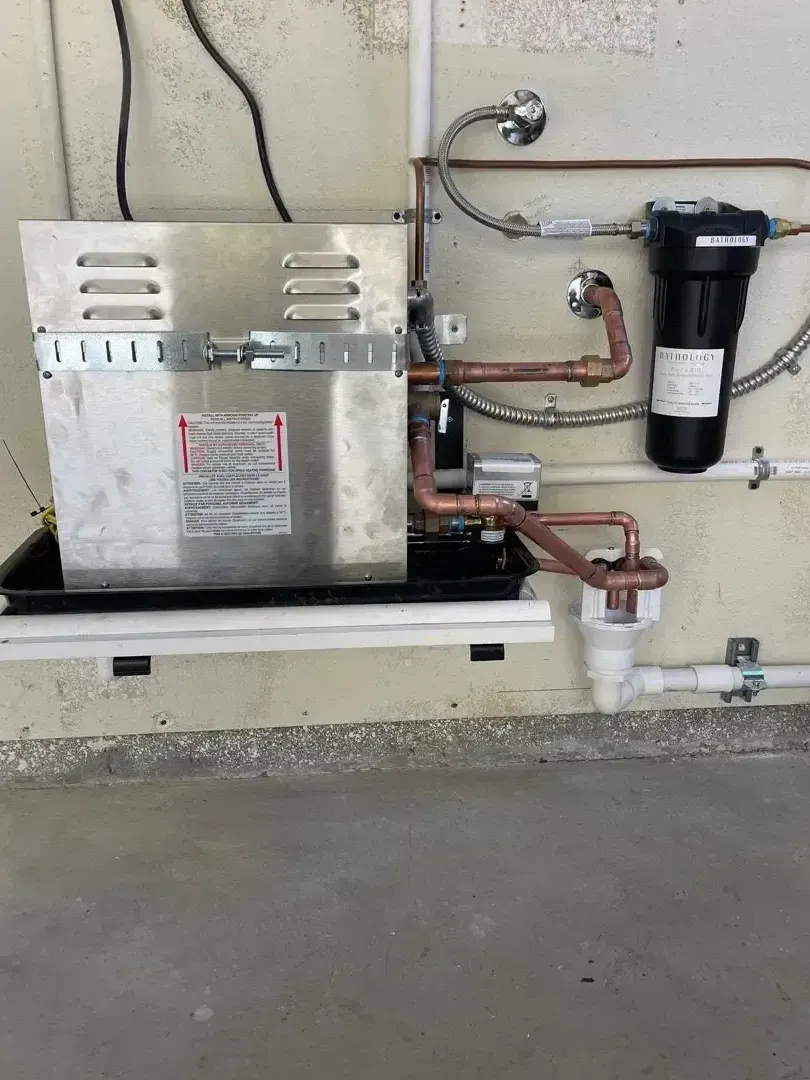
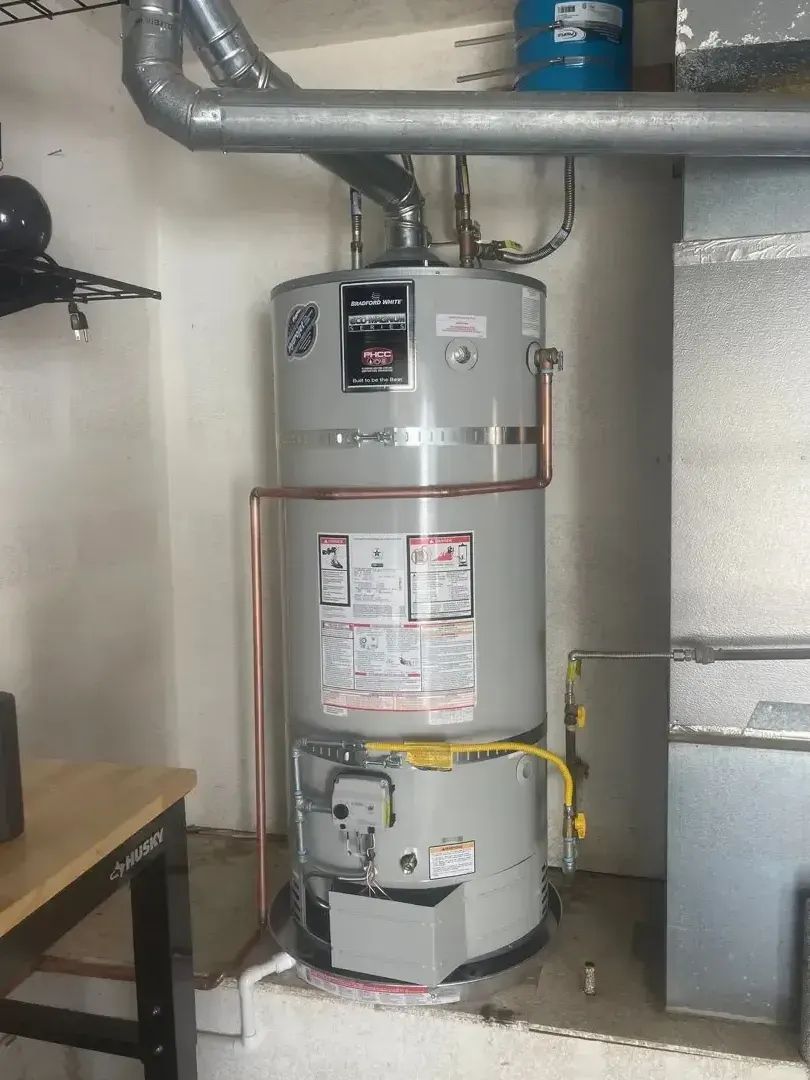
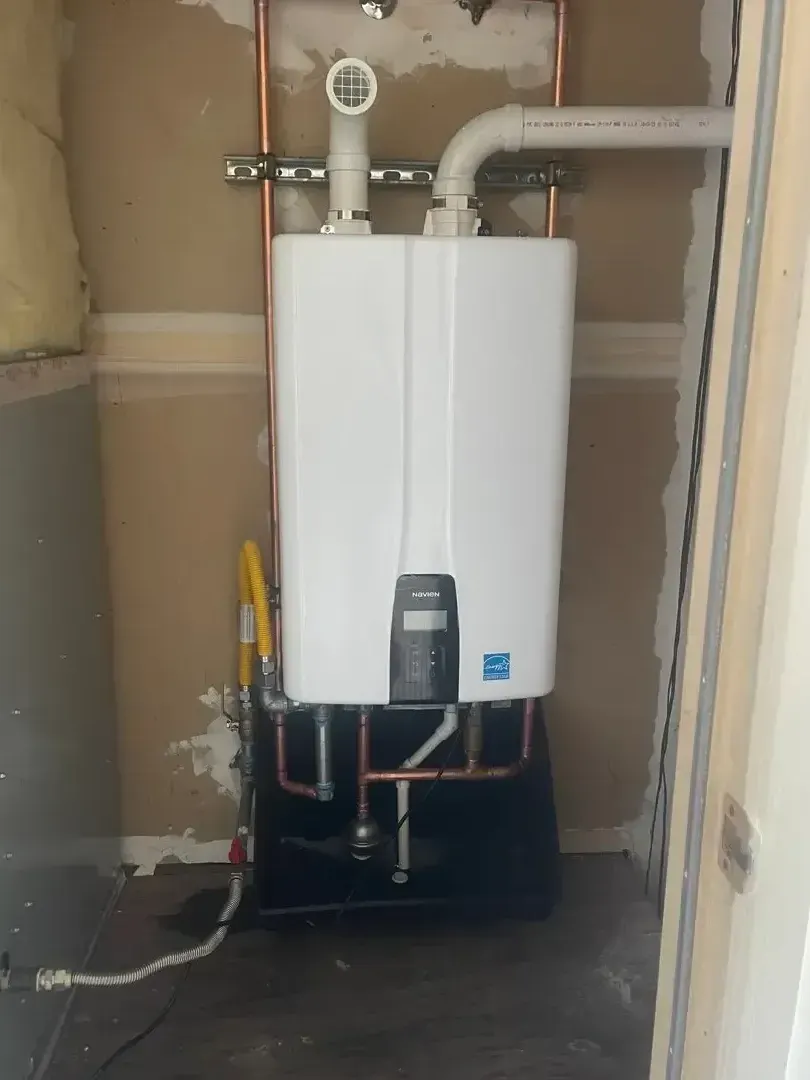
How to Identify the Different Types of Pipes in Your Water Supply System
Identifying your home's water supply pipes helps you plan repairs or upgrades. Follow these steps to tell them apart.
- Check the color and markings – PEX is usually red, blue, or white with printed markings. PVC is white or gray; CPVC is tan or cream. Copper is metallic orange-brown.
- Test flexibility – PEX bends easily; PVC and CPVC are rigid. Copper is stiff but can be bent with a tool.
- Look for rust – Galvanized steel is dark gray and may show orange rust or flaking.
- Check the fittings – PEX uses crimp or clamp rings; PVC/CPVC use solvent cement; copper uses soldered or compression fittings.
- Consult a professional – If unsure, a licensed plumber can identify your pipes quickly.
If you suspect you have polybutylene (PB) pipes, they are gray, flexible, and prone to failure—consider replacement.
How to Choose the Best Pipe for Your Water Supply
| Material | Best For | Durability | Cost |
|---|---|---|---|
| PEX | New homes, repipes, radiant heating | High; freeze-resistant | Moderate |
| Copper | Long-term reliability, visible lines | Very high; can corrode in acidic water | Higher |
| PVC | Cold water, outdoor, underground | Good; not for hot water | Low |
| CPVC | Hot and cold water inside | Good; can become brittle over time | Low to moderate |
| Galvanized Steel | Older homes (not recommended) | Poor; rusts internally | Replacement costly |
Your choice depends on local codes, water chemistry, and budget. In Rohnert Park, many homeowners opt for PEX or copper for main supply lines.
Learn more about PEX vs copper repiping.
PEX vs Copper vs PVC: Which Pipe Is Right for Your Water Supply?
| Feature | PEX | Copper | PVC/CPVC |
|---|---|---|---|
| Flexibility | High – bends around corners | Low – requires fittings | Rigid |
| Freeze resistance | Excellent – expands without bursting | Poor – bursts when frozen | Moderate |
| Hot water rating | Yes (up to 200°F) | Yes | PVC no; CPVC yes |
| Corrosion | None | Can corrode in acidic water | None |
| Installation | Easy with crimp tools | Requires soldering | Solvent cement |
| Cost per foot | Moderate | Higher | Low |
For most homes, PEX offers the best balance of cost, durability, and ease of installation. Copper remains a premium choice for longevity, while CPVC is a budget-friendly option for interior lines.
Cross-linked polyethylene
Cross-linked polyethylene, commonly called PEX, is a type of plastic pipe made by chemically linking polyethylene molecules to create a stronger, more flexible material. This cross-linking process gives PEX excellent resistance to heat, pressure, and chemicals, making it ideal for residential water supply systems. Unlike traditional rigid pipes, PEX can bend around corners without fittings, reducing the risk of leaks and making installation faster. It is also highly resistant to freezing—if water inside freezes, the pipe expands and contracts without bursting. PEX is used for both hot and cold water lines, radiant floor heating, and even outdoor applications when protected from sunlight. For homeowners in Rohnert Park, PEX is a popular choice for repiping because it combines durability, cost-effectiveness, and ease of installation.
Directions to our plumber in Rohnert Park from Credo High School
Start at Credo High School and head to CNTRLine Plumbing at Rohnert Park, CA.
Common Problems with Different Types of Water Supply Pipes
Each pipe material has potential issues. Knowing them helps you spot trouble early.
- PEX – UV damage and rodent chewing – PEX degrades in sunlight and can be chewed by rodents if exposed.
- Copper – Pinhole leaks and corrosion – Acidic water can cause pitting and small leaks over time.
- PVC – Brittleness and cracking – Can become brittle with age or if exposed to direct sunlight.
- CPVC – Chlorine sensitivity – Some formulations may degrade in high-chlorine water.
- Galvanized steel – Rust and clogging – Internal rust reduces water flow and can cause brown water.
If you notice low pressure, discolored water, or leaks, call a professional for an inspection.
Pipes for Underground Water Supply Lines: What You Need to Know
Underground water service lines require materials that resist soil corrosion and earth pressure. Here's what's commonly used.
- Copper (Type K) – Thick-walled, corrosion-resistant, and code-approved for underground use.
- PEX (with a protective sleeve) – Flexible and freeze-resistant; often used with a conduit for protection.
- PVC (Schedule 40 or 80) – Rigid, affordable, and suitable for cold water underground lines.
- HDPE (High-Density Polyethylene) – Flexible, durable, and often used for municipal water mains.
- MDPE (Medium-Density Polyethylene) – Common for rural water supply lines.
Local codes in Rohnert Park may require specific materials. Always consult a licensed plumber before digging.
Need Help Choosing or Replacing Water Supply Pipes? Call CNTRLine Plumbing Today
Our team at CNTRLine Plumbing serves Rohnert Park and all of Sonoma and Marin County. We offer free quotes and same-day service.
- Call us at (707) 308-5599 – Available 24/7 for emergencies.
- Schedule a free quote – We'll inspect your pipes and recommend the best solution.
- Get professional installation – Licensed, bonded, and insured (CSLB #1036920).
We proudly serve Rohnert Park, Cotati, Santa Rosa, Petaluma, Novato, and San Rafael. Trust our family-run business since 2017.
For details on services and visits, see the main page about plumber rohnert park.
Sources
Also asked as
- What are the types of water supply pipes?
- What pipe is used for water supply in homes?
- Water supply pipe material types explained
Frequently asked questions
Which pipe is better, CPVC or PVC?
CPVC is better for hot water supply because it is rated for higher temperatures (up to 200°F), while PVC is only for cold water. For interior water lines, CPVC is the right choice. PVC is fine for outdoor irrigation or cold water underground lines.
What type of pipe is used for water supply?
Common water supply pipes include PEX, copper, CPVC, and PVC. PEX is popular for new homes and repipes due to its flexibility. Copper is durable and traditional. CPVC handles hot and cold water indoors, while PVC is for cold water only.
What is PEX pipe used for?
PEX is used for hot and cold water supply lines, radiant floor heating, and snow melt systems. It is also used for residential repiping because it is flexible, easy to install, and resistant to freezing and corrosion.
What are the four types of PVC pipe?
The four common types are PVC-U (unplasticized, rigid), PVC-C (chlorinated, for hot water), PVC-O (oriented, high strength), and PVC-M (modified, impact resistant). For water supply, PVC-U (Schedule 40 or 80) is typical for cold water; CPVC is used for hot water.
How do I tell if I have PEX or PVC?
PEX is flexible and color-coded (red, blue, white). PVC is rigid and white or gray. PEX uses crimp rings at fittings; PVC uses solvent cement. If you can bend the pipe easily, it's PEX. If it's stiff and snaps, it's PVC.