
What Is PEX Pipe Used For? A Complete Guide for Homeowners
PEX pipe is used for hot and cold water supply lines, radiant floor heating, hydronic systems, and snow melting. Its flexibility makes it ideal for retrofits and new construction in Rohnert Park homes.
Is This the Right Option for You? Pros and Cons of PEX Piping
Deciding on plumbing material? Here’s a balanced look at PEX advantages and disadvantages.
| Consideration | Advantages | Disadvantages |
|---|---|---|
| Flexibility | Bends easily around corners; reduces fittings and joints. | Can kink if not handled carefully; requires support straps. |
| Cost | Material and labor often lower than copper or CPVC. | Initial tool cost for crimp rings or expansion fittings. |
| Freeze Resistance | Expands slightly to reduce burst risk in freezing conditions. | Not freeze-proof; still needs insulation in unheated areas. |
| UV Sensitivity | N/A | Degrades in direct sunlight; must be kept covered or indoors. |
| Rodent Damage | N/A | Rodents may chew through PEX; copper is more resistant. |
| Water Quality | Resists corrosion and scale buildup. | Some early concerns about chemical leaching; modern PEX meets NSF standards. |
Most Rohnert Park homeowners find PEX a strong choice for repipes and new builds. For a personalized assessment, call us for a free quote.
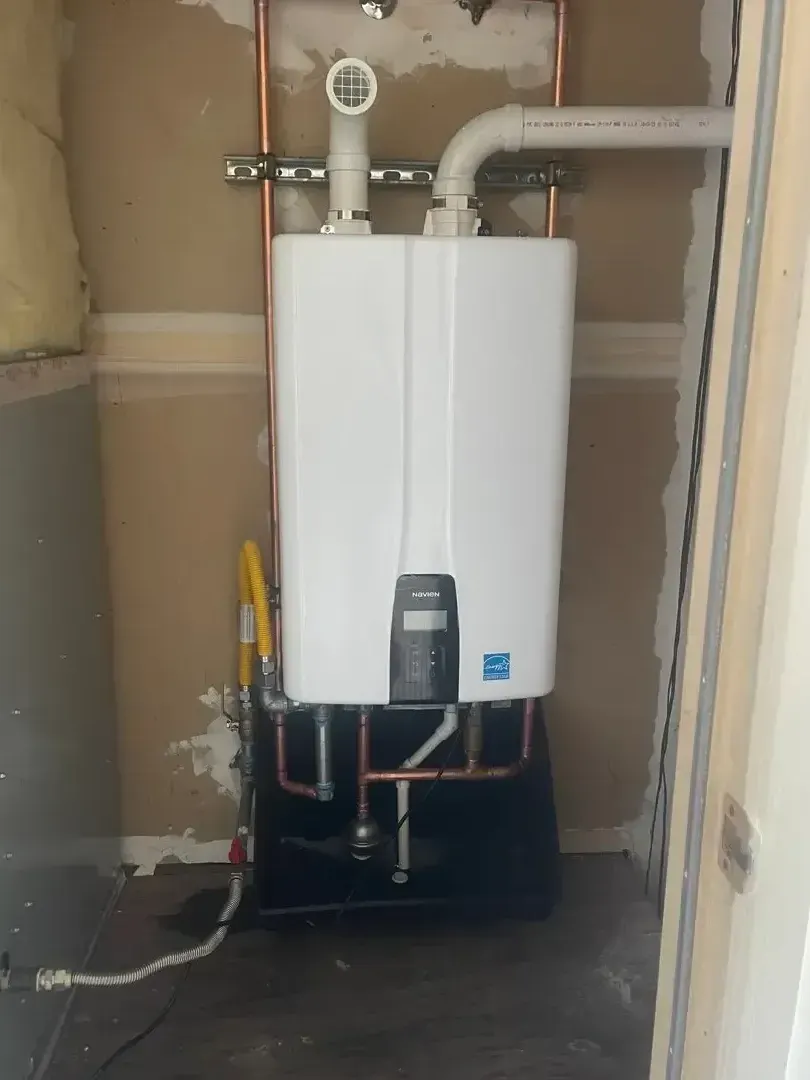
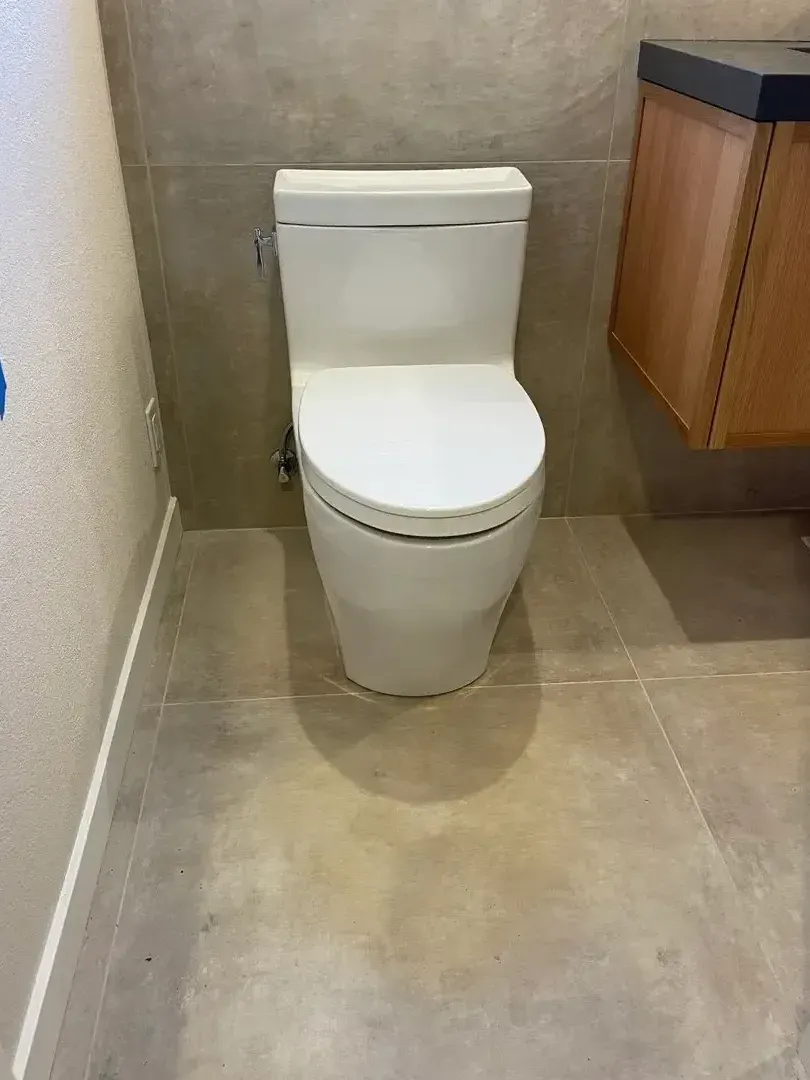
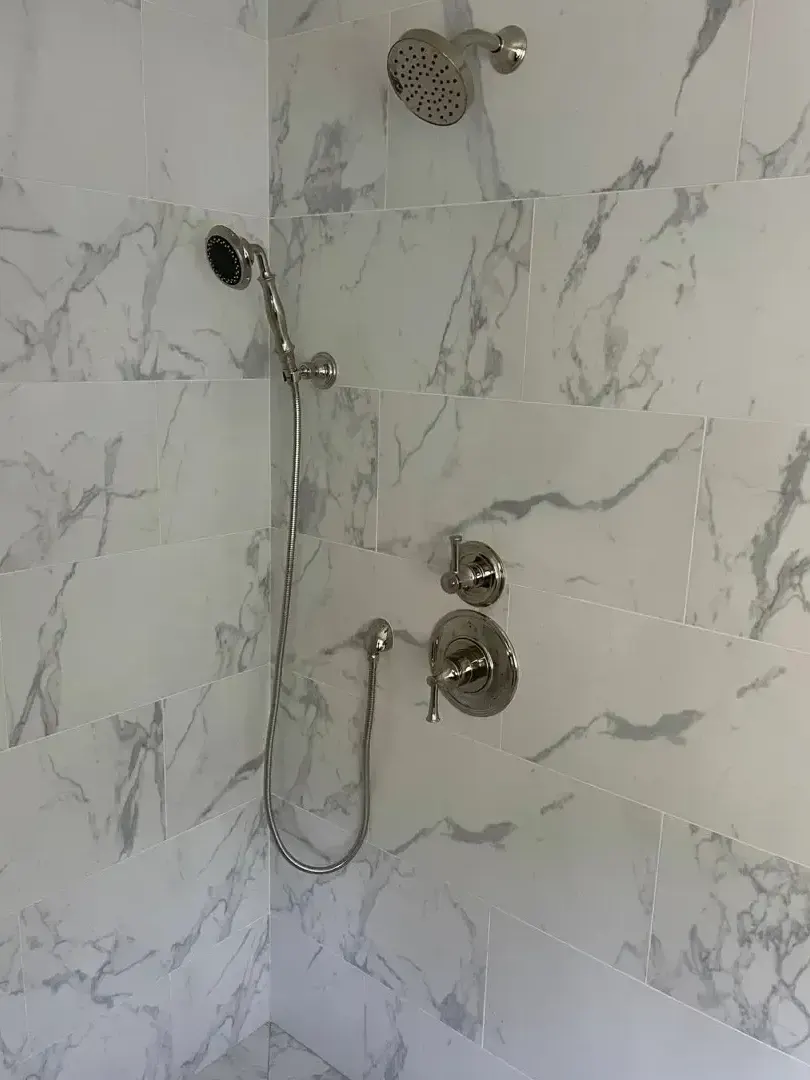
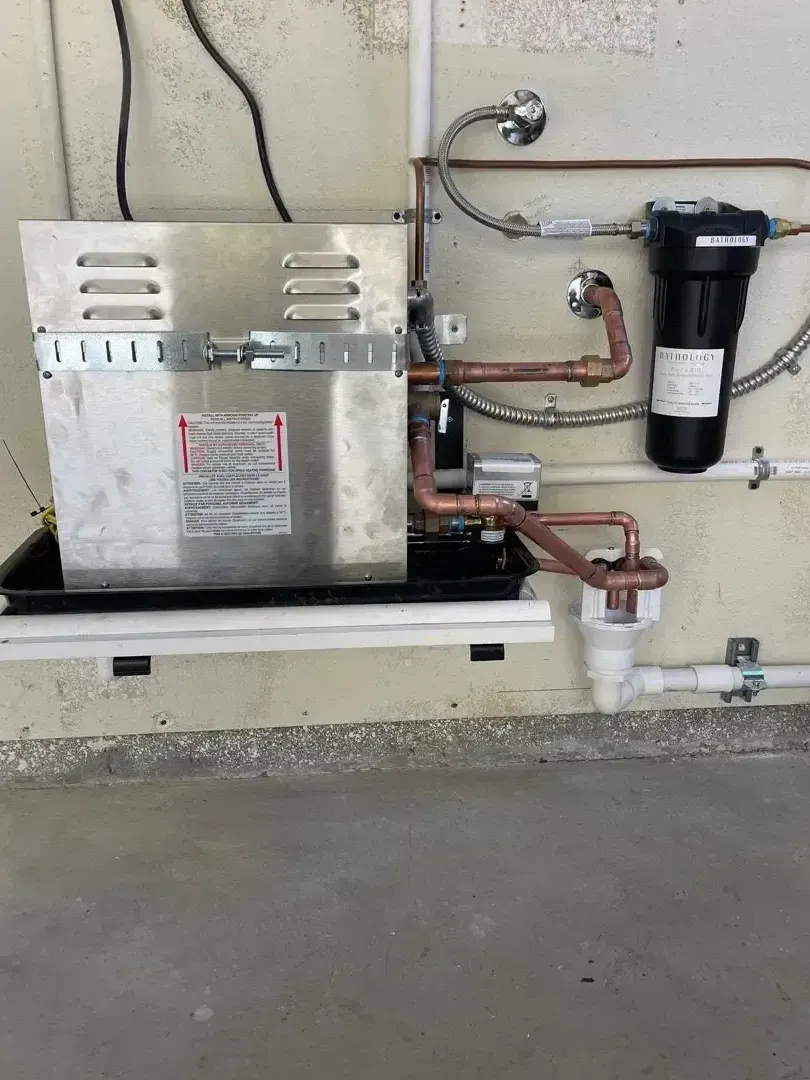
Common Uses for PEX Piping in Residential and Commercial Plumbing
PEX is versatile and used in many applications. Here’s where it shines.
| Application | Details |
|---|---|
| Hot & Cold Water Supply | Primary use: delivers water to faucets, showers, and appliances. |
| Radiant Floor Heating | PEX tubing embedded in floors circulates warm water for efficient heating. |
| Hydronic Heating Systems | Used in baseboard radiators and panel radiators. |
| Snow Melting | Installed under driveways and walkways to melt snow. |
| Water Distribution for Commercial Buildings | Common in multifamily units, offices, and schools. |
In Rohnert Park, we frequently install PEX for whole-house repipes and radiant heating in new construction.
What Is PEX Pipe and What Is It Used For?
PEX stands for cross-linked polyethylene, a flexible plastic piping material that has become a standard in modern plumbing. It’s used for both hot and cold water supply lines, and its flexibility allows it to snake through walls and around obstacles with fewer joints than rigid pipe.
PEX comes in three types: PEX-A (most flexible, uses expansion fittings), PEX-B (slightly stiffer, uses crimp rings), and PEX-C (least flexible, also uses crimp rings). For most residential applications, PEX-A or PEX-B are preferred.
Because PEX does not require gluing or soldering, installation is faster and safer. It’s widely used in new construction and retrofits across Sonoma and Marin counties.
PEX vs. Copper vs. CPVC: Which Pipe Is Best for Your Project?
Choosing between PEX, copper, and CPVC? Here’s a side-by-side comparison.
| Factor | PEX | Copper | CPVC |
|---|---|---|---|
| Cost | Lower material and labor cost | Higher material cost; labor intensive | Moderate cost; requires solvent welding |
| Flexibility | High; bends easily | Rigid; requires fittings for turns | Rigid; similar to copper |
| Freeze Resistance | Expands; less likely to burst | Bursts easily when frozen | Bursts easily when frozen |
| Corrosion | Resists corrosion and scale | Can corrode over time, especially with acidic water | Resists corrosion |
| Installation | Fast; no soldering or gluing | Requires soldering; slower | Requires solvent welding; fumes |
| Lifespan | 40–50 years | 50–70 years | 40–50 years |
For most Rohnert Park homes, PEX offers the best balance of cost, ease, and performance. We’ll help you choose the right material for your project.
Directions to our plumber in Rohnert Park from Copeland Creek
Start at Copeland Creek and head to CNTRLine Plumbing at Rohnert Park, CA.
Can PEX Pipe Be Used for Your Plumbing Project?
A good fit if…
- You’re repiping an existing home – PEX’s flexibility makes it ideal for retrofits.
- You want radiant floor heating – PEX is the standard for in-floor systems.
- You’re on a budget – PEX is often more affordable than copper.
- You live in a freeze-prone area – PEX handles freezing better than rigid pipes.
Consider another option if…
- Your home is in direct sunlight – PEX degrades in UV; copper or CPVC may be better for exposed lines.
- You have a rodent problem – Rodents may chew PEX; copper is more resistant.
- Your local code restricts PEX – Some areas have limitations; we check permits for you.
Not sure? Our team at CNTRLine Plumbing offers free quotes and can assess your specific project in Rohnert Park or nearby.
How to Install PEX Pipe: A Step-by-Step Guide
Installing PEX is straightforward with the right tools. Always follow local codes and consider hiring a licensed plumber.
- Plan Your Layout – Map out the water supply lines, minimizing joints.
- Cut the Pipe – Use a PEX cutter for clean, square cuts.
- Attach Fittings – Slide on a crimp ring or expansion ring, insert the fitting, and crimp or expand.
- Secure the Pipe – Use PEX support straps every 32 inches on horizontal runs and every 48 inches on vertical runs.
- Pressure Test – Before closing walls, test the system at working pressure to check for leaks.
For complex jobs like a whole-house repipe, trust our experienced team. Call us for a free estimate.
Is PEX Pipe Safe? Code Compliance and Insurance Considerations
PEX pipe is safe when installed correctly and meets NSF/ANSI standards for potable water. It’s approved by the Uniform Plumbing Code and the International Residential Code. Some insurance companies have raised concerns about PEX in high-risk areas (e.g., wildfire zones), but in Sonoma County, PEX is widely accepted. We always pull permits and ensure your installation meets local code requirements.
How Long Does PEX Pipe Last? Lifespan and Durability
PEX pipe has a lifespan of 40–50 years under normal conditions. Factors like water quality, chlorine levels, and installation quality affect longevity. PEX resists corrosion and scale, which helps it last. For comparison, copper can last 50–70 years, but PEX’s flexibility and freeze resistance often make it a more practical choice for modern homes.
For details on services and visits, see the main page about plumber rohnert park.
Sources
Also asked as
- What are the main uses of PEX pipe?
- Is PEX pipe good to use for plumbing?
- Can PEX be used for radiant heating?
Frequently asked questions
Is PEX pipe good to use?
Yes, PEX is a reliable, cost-effective plumbing material for most residential applications. It’s flexible, freeze-resistant, and easy to install. However, it’s not UV-resistant and can be damaged by rodents, so it’s best used indoors or in protected areas.
What's the difference between PEX-A and regular PEX?
PEX-A is the most flexible type, made using the Engel method, and allows for expansion fittings that create strong, leak-resistant connections. PEX-B and PEX-C are slightly stiffer and typically use crimp rings. PEX-A is often preferred for its ease of installation and reliability.
Is PEX or CPVC better?
PEX is generally more flexible, freeze-resistant, and easier to install than CPVC. CPVC is more rigid and can become brittle over time. For most homeowners, PEX offers better performance and value, but CPVC may be preferred in areas with high chlorine levels or where UV exposure is a concern.
What pipe is better than PEX?
Copper pipe has a longer lifespan (50–70 years) and is more resistant to UV and rodents, but it’s more expensive and harder to install. For most residential plumbing, PEX offers the best balance of cost, ease, and performance. Your choice depends on your specific needs and local codes.
Why don't insurance companies like PEX pipe?
Some insurance companies have concerns about PEX in areas prone to wildfires or where rodents are common, due to potential damage. However, PEX is widely accepted and code-compliant. In Sonoma and Marin counties, we see no widespread issues. Always check with your insurer if you have concerns.