
Can I Change My Water Heater Myself? What You Need to Know
You can legally replace an electric water heater yourself in most California homes if you pull the required permit and pass inspection, but gas water heater replacement is restricted to licensed contractors in many jurisdictions. The real question is whether you can do it safely, to code, and without voiding your warranty.
DIY vs. Hiring a Plumber: Which Is Right for You?
Deciding whether to replace your water heater yourself or hire a licensed plumber comes down to your skill level, the time you have, and how much risk you're comfortable taking on. Here's a side-by-side look at the main factors.
| Factor | DIY | Hiring a Plumber |
|---|---|---|
| Cost | You pay only for the unit and materials, but mistakes can add up fast. | You pay for labor and markup, but the job is done right the first time. |
| Time | Expect a full weekend if you're learning as you go. | Most replacements are done in a few hours. |
| Permits and codes | You must pull permits and know local codes yourself. | The plumber handles permits and ensures code compliance. |
| Safety | Higher risk of gas leaks, electrical shock, or water damage. | Licensed plumbers are trained to handle these risks safely. |
| Warranty | Manufacturer warranties may be voided if not installed by a pro. | Professional installation keeps warranties intact. |
| Cleanup and disposal | You haul away the old unit and clean up. | We handle everything, including disposal. |
If you're handy and have experience with plumbing or electrical work, DIY can save money. But for most homeowners, the peace of mind and safety of a licensed plumber is worth the cost.
Still weighing it? Consider how much your time is worth, the age of your home's plumbing, and whether you're comfortable turning off gas or electricity and lifting a heavy tank. When in doubt, get a free quote from a licensed plumber like our team in Rohnert Park and compare.
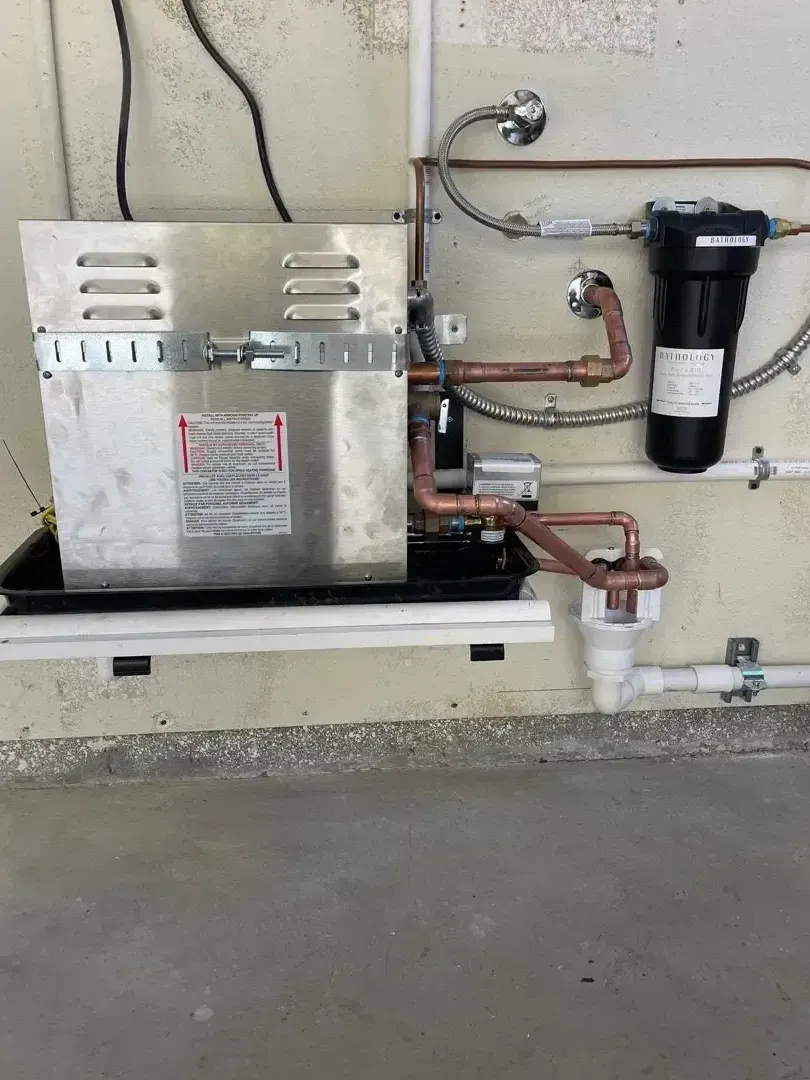
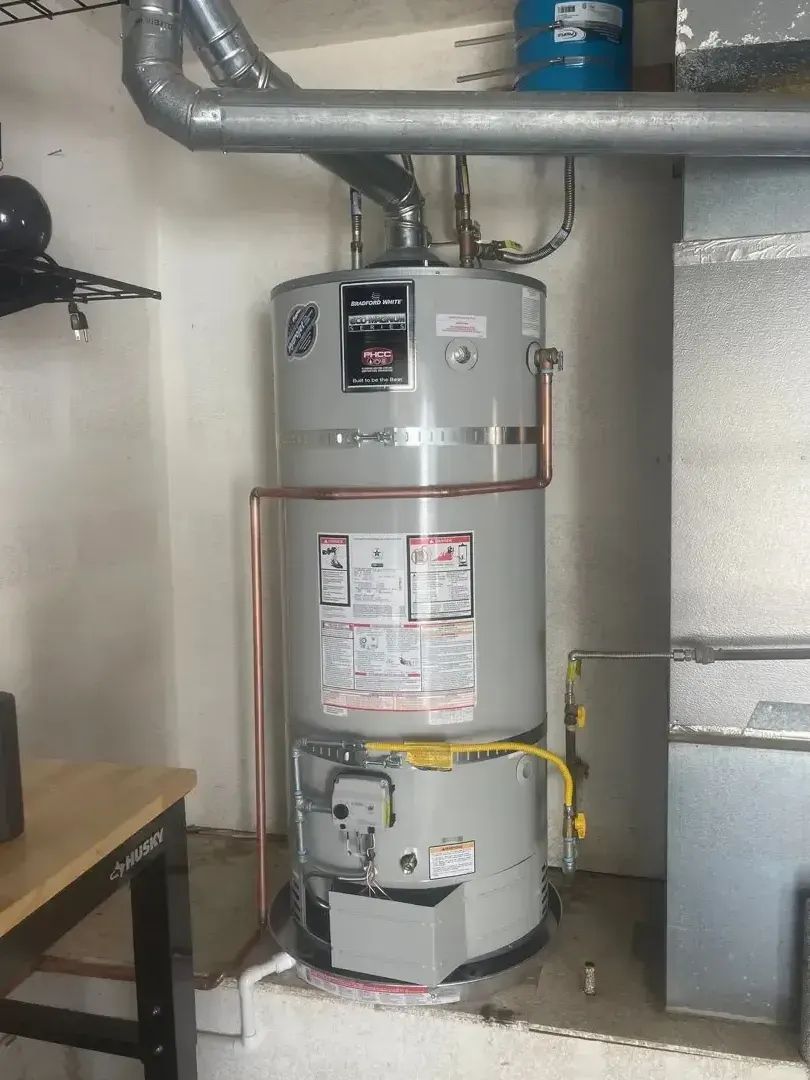
Water Heater Replacement Cost: DIY vs. Professional
The total cost to replace a water heater varies widely depending on the unit type, labor, and any extra work needed. Here's what drives the price.
| Factor | Why It Matters | Typical Range |
|---|---|---|
| Water heater unit | Tank vs. tankless, size, and fuel type affect the price. | Varies; a basic 40-gallon tank is less than a high-efficiency tankless. |
| Labor | Professional installation includes permits, code compliance, and haul-away. | Varies by region and complexity. |
| Old unit removal | Disposal fees and hauling add to the job. | Often included in labor, but ask. |
| Additional materials | New pipes, fittings, or a drip pan may be needed. | Varies based on your setup. |
| Permits | Local codes require permits for water heater replacement. | Varies by city. |
| Emergency or after-hours | Urgent jobs may cost more. | Varies; some plumbers charge a premium. |
For a typical tank replacement, most homeowners spend somewhere in the low thousands, but the exact figure depends on your home and choices. For a detailed breakdown, see our water heater replacement cost guide.
Can I Change My Water Heater Myself? Legal and Safety Considerations
Before you decide to DIY, run through this checklist to make sure you're legally and safely covered.
- Check local permits: Most cities require a permit for water heater replacement, and failing to get one can lead to fines or issues when you sell your home.
- Know your fuel type: Gas water heaters involve combustion and carbon monoxide risks; electric ones involve high voltage.
- Understand building codes: Codes cover everything from seismic strapping to pressure relief valves, and they vary by location.
- Assess your skills: If you're not comfortable with gas lines or electrical wiring, this isn't the project to learn on.
- Consider warranty implications: Many manufacturers require professional installation to keep the warranty valid.
- Think about liability: If something goes wrong, you're responsible for any damage or injury.
In California, homeowners can legally do their own plumbing work on their own property, but you must obtain the proper permits and have the work inspected. The California Contractors State License Board (CSLB) provides guidance on what requires a license—and while DIY is allowed, it doesn't exempt you from code compliance.
If any of these points give you pause, a licensed plumber can handle it safely and legally. We're happy to give you a free quote.
How to Replace Your Water Heater Yourself: Step-by-Step Guide
If you've decided to DIY, here's a high-level overview of the process. Always follow the manufacturer's instructions and local codes.
- Turn off power and water: Shut off the gas or electricity to the unit and close the cold water supply valve.
- Drain the tank: Attach a hose to the drain valve and run it to a floor drain or outside. Open a hot water faucet to let air in.
- Disconnect the old unit: For gas, disconnect the gas line and vent; for electric, disconnect the wiring. Remove the old tank.
- Position the new heater: Place the new unit in position, ensuring it's level and meets clearance requirements.
- Connect water and power: Attach the water lines, then reconnect gas or electrical connections. For gas, check for leaks with soapy water.
- Fill and test: Open the cold water valve and let the tank fill. Check for leaks, then restore power or gas and test the hot water.
This is a simplified version—real installations have many details, like seismic strapping and pressure relief valve installation. If you're not confident, it's safer to call a professional.
Directions to our plumber in Rohnert Park from El Camino High School
Start at El Camino High School and head to CNTRLine Plumbing at Rohnert Park, CA.
Essential Tools and Materials for DIY Water Heater Replacement
Before you start, gather everything you'll need. Here's a checklist of the basics.
- New water heater: Make sure it's the right size and fuel type for your home.
- Pipe wrenches: For loosening and tightening connections.
- Screwdrivers and adjustable wrench: For removing panels and fittings.
- Hose for draining: A garden hose that reaches a drain or outside.
- Teflon tape or pipe dope: To seal threaded connections.
- Safety gear: Gloves and eye protection.
Depending on your setup, you might also need a tubing cutter, a level, and a voltage tester. Check the manufacturer's manual for specific requirements.
How Long Do Water Heaters Last? Signs It's Time to Replace
Most tank water heaters last 8 to 12 years, though this varies with water quality and maintenance. Tankless models can last longer, often 20 years or more.
Signs it's time to replace: rusty or discolored hot water, strange noises from the tank, leaks around the base, or an age over 10 years. If your unit is showing these signs, it's smarter to replace it before it fails completely.
Regular maintenance can extend the life, but if you're facing frequent repairs, a new unit is often more cost-effective.
Also asked as
- Can I replace my own hot water heater?
- Is it legal to install a water heater myself?
- Can a homeowner replace a gas water heater in California?
Frequently asked questions
Is it difficult to replace a water heater by yourself?
For a same-size electric tank-to-tank swap in the same location, a careful homeowner can manage it in a few hours. Gas units, relocations, and size changes are significantly harder and are best left to a licensed plumber.
What is a fair price to replace a water heater?
Professional tank water heater replacement generally ranges from $1,800 to $3,600 installed, depending on size, fuel type, and code upgrades. DIY typically costs the tank plus $100–$400 in parts, tools, and permits, but does not include your time or the risk of a failed inspection.
How many years do water heaters usually last?
Most tank water heaters last about 8 to 12 years. Hard water, high usage, and skipped maintenance can shorten that, while regular flushing can help extend it.
How long does it take a plumber to put in a new hot water heater?
A standard tank replacement usually takes two to four hours for a straightforward swap. Attic, closet, or code-upgrade jobs can take longer, and we offer same-day service on most calls.
Why do plumbers charge so much to replace a water heater?
The price covers the tank, labor, permit and inspection, code-required parts like drain pans and expansion tanks, haul-away of the old unit, and the licensing and insurance that protect you if something goes wrong. It is not just the hour or two on site.